


The Uganda National Institute for Teacher Education (UNITE) has stepped up engagement with communities and education stakeholders across the country, with recent dialogues at Muni and Kabale Campuses providing an important platform to listen to local concerns, explain the ongoing teacher education reforms and strengthen partnerships to improve teacher education.
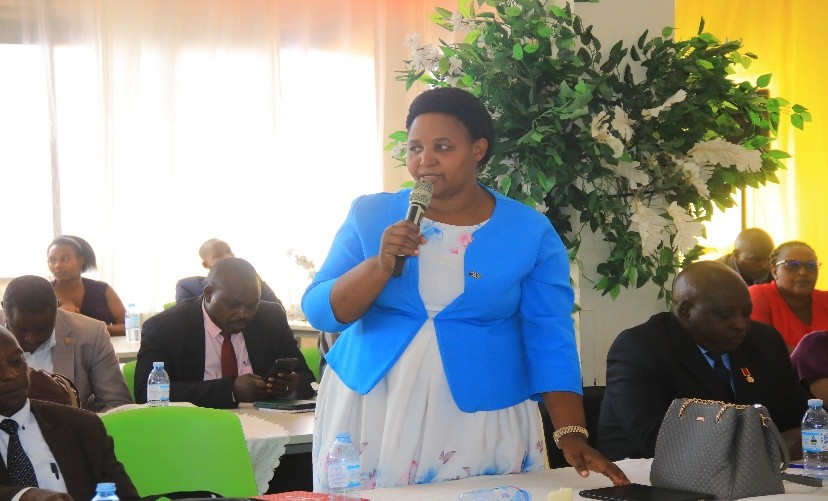
Held on 13-14 August 2026, the engagements brought together more than 500 participants, including local government and education officials, school leaders, teachers, learners, community and opinion leaders, faith-based organisations, teachers’ unions, security representatives and UNITE staff. The broad participation reflected the growing interest in UNITE’s role in transforming teacher education and ensuring that training responds to the needs of learners, schools and communities.
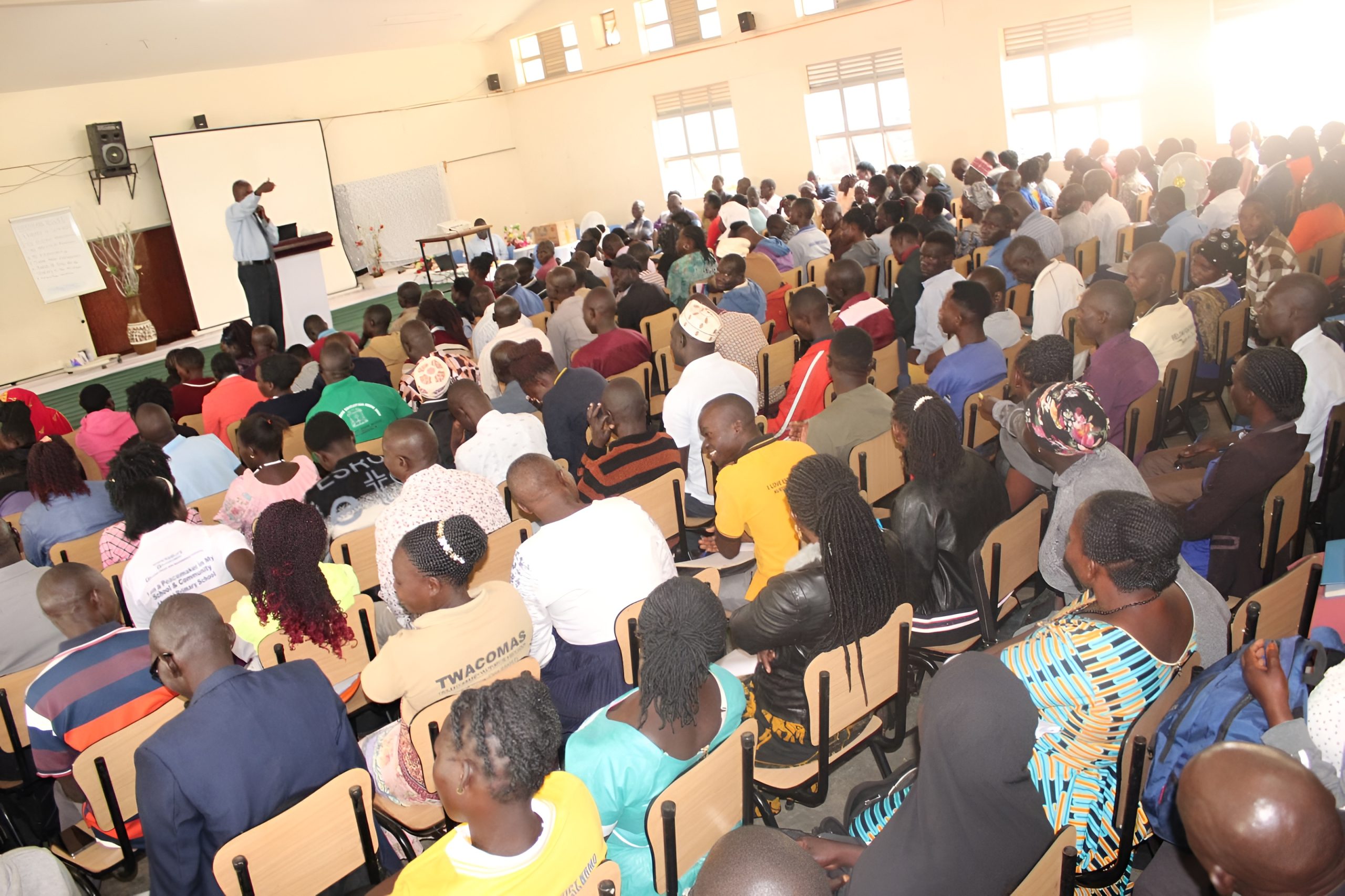
At Muni Campus, 231 stakeholders participated in the dialogue, which focused on strengthening collaboration between UNITE and the wider community. The Institute Academic Registrar, Dr. Carol Nakidde Kavuma, explained UNITE’s strategic direction and the ambition to position Muni Campus as a regional hub for education excellence. She called for stronger partnerships with schools, particularly in providing opportunities for UNITE students to undertake school practice and gain the practical experience needed to complement classroom learning. The Ministry of Education and Sports also provided an overview of the Teacher Education Reforms and the National Teacher Policy, highlighting the importance of professionalising teaching, strengthening teacher preparation and integrating ICT, social responsibility and specialisation into teacher education.
The dialogue also provided an opportunity for the west Nile community to share its expectations and concerns. Participants called for greater investment in ICT and digital skills, stronger school-practice opportunities, more attention to teacher professionalism and accountability, and increased community outreach. The need for regular engagement through community meetings and radio programmes was also highlighted, particularly in areas where awareness of UNITE remains limited. Participants further identified opportunities for collaboration in training, research and community development.
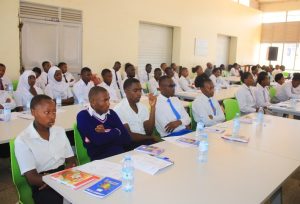
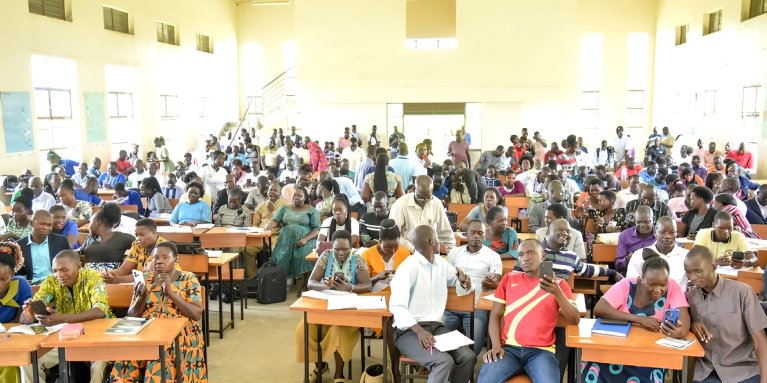
Some of the Students attending the dialogue at UNITE Kabale Campus
At Kabale Campus, more than 300 stakeholders from the six districts of the Kigezi Sub-Region i.e. Kabale, Kanungu, Kisoro, Rubanda, Rukiga and Rukungiri took part in a two-day engagement. The discussions centred on the role of UNITE in addressing the shortage of qualified teachers and strengthening the quality of education in the region. District and municipal education officials, school leaders, local leaders, faith-based organisations, opinion leaders, learners and other stakeholders shared their experiences and proposed areas where UNITE and the community could work together more closely.
A key concern raised during the Kabale engagement was the shortage of qualified teachers, particularly in government schools. Stakeholders also emphasized the need for stronger career guidance to help learners make informed choices about subject combinations that prepare them for teacher education. The growing influence of technology and artificial intelligence in education was another major area of discussion. While stakeholders recognized the opportunities presented by digital technologies, they stressed the need to equip future teachers with appropriate digital and AI skills while maintaining a strong emphasis on research, critical thinking and innovation. Participants also called for increased government sponsorship opportunities at Kabale Campus to respond to the demand for teacher education in the region.
https://youtu.be/45cDLMJrlzk?si=x2-JHSJ9mq68DOzC
Across the two engagements, a common message emerged: teacher education is a shared responsibility. Stakeholders expressed their willingness to work with UNITE in mobilising prospective students, supporting school practice, strengthening community initiatives, promoting professional standards and advocating for increased opportunities for teacher education.
The engagements also provided UNITE with valuable feedback on how it can remain responsive to the communities it serves. The recommendations will contribute to institutional planning and programming, including curriculum enrichment, student recruitment, community outreach, research and partnership development.
The dialogues are part of UNITE’s broader commitment to building meaningful and sustained relationships with communities and education stakeholders. As the Institute continues to implement Uganda’s teacher education reforms, continued dialogue will be essential in ensuring that its programmes remain relevant to the needs of schools, teachers, learners and communities.
UNITE appreciates all stakeholders who participated in the engagements and looks forward to working with them to strengthen teacher education and contribute to improved learning outcomes across Uganda.