



About UNITE
The Uganda National Institute for Teacher Education (UNITE) was established on 5 July 2024 through Statutory Instrument No. 53 of 2024 under the Universities and Other Tertiary Institutions Act (UOTIA), Cap. 262, as an Other Degree Awarding Institution (ODAI).
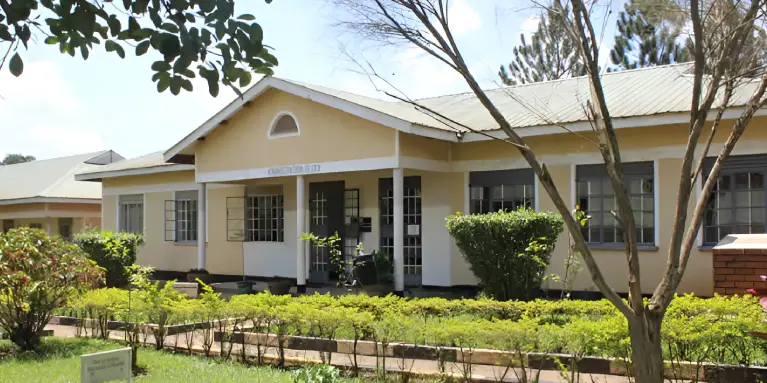
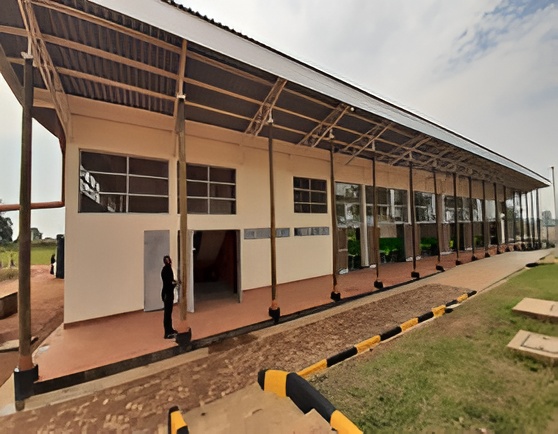
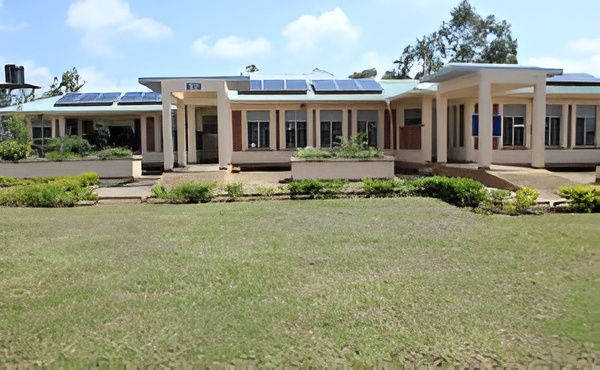
UNITE was established as a multi-campus institution with campuses located in Kabale, Kaliro, Mubende, Muni (Arua), and Unyama (Gulu), while its headquarters are situated in Kira Municipality at the former Shimoni Core Primary Teachers’ College.
The mandate of UNITE is to coordinate and provide all levels of teacher education in Uganda, ranging from initial teacher training to postgraduate education. The Institute also offers Continuous Professional Development (CPD) Programmes and in-service teacher training to strengthen professionalism and improve the quality of education in the country.
UNITE provides National Council for Higher Education (NCHE)-accredited Programmes for both pre-service and in-service teachers in pre-primary, primary, and post-primary education.
Vision
To be a global centre of excellence in innovative Teacher Education for Social Transformation.
Mission
To provide quality inclusive teacher education, training and research for social and community transformation.
Mandate
Philosophy
Vocationalisation of teacher education
Core Values
Professionalism
Committed to upholding the teaching profession and promoting professional growth; exhibited in appearance, language and behaviour.
Integrity
Demonstrating ethical standards and discipline expected of the teacher; impeccable behaviour and character; behaving honorably even when no one is watching.
Innovativeness
Being creative and generating new knowledge and skills through teaching, learning and educational research for community-based problem solving.
Accountability
Holding and exercising the teaching profession in trust; taking responsibility for decisions and indecisions in respect of UNITE’s mandate.
Lifelong Learning
Motivating clients to remain relevant through career progression and professional development.
Autonomy
Producing teachers who are responsibly in charge of their teaching profession and have the freedom to exercise their innovative skills.