




The Uganda National Institute for Teacher Education (UNITE) participated in a series of national stakeholder orientation engagements convened by UNICEF and the Ministry of Education and Sports (MoES) to disseminate findings from Uganda’s first comprehensive ICT Needs Assessment for secondary schools and formally launch the ICT component of the Leaders in Teaching (LiT) Uganda Programme.
Held across three regions in Kampala, Gulu, and Kabale between 28 May and 5 June 2026, the two-day engagements brought together national and sub-national education stakeholders to examine groundbreaking evidence on digital readiness in Uganda’s secondary schools and to chart a coordinated path towards digital transformation in education.
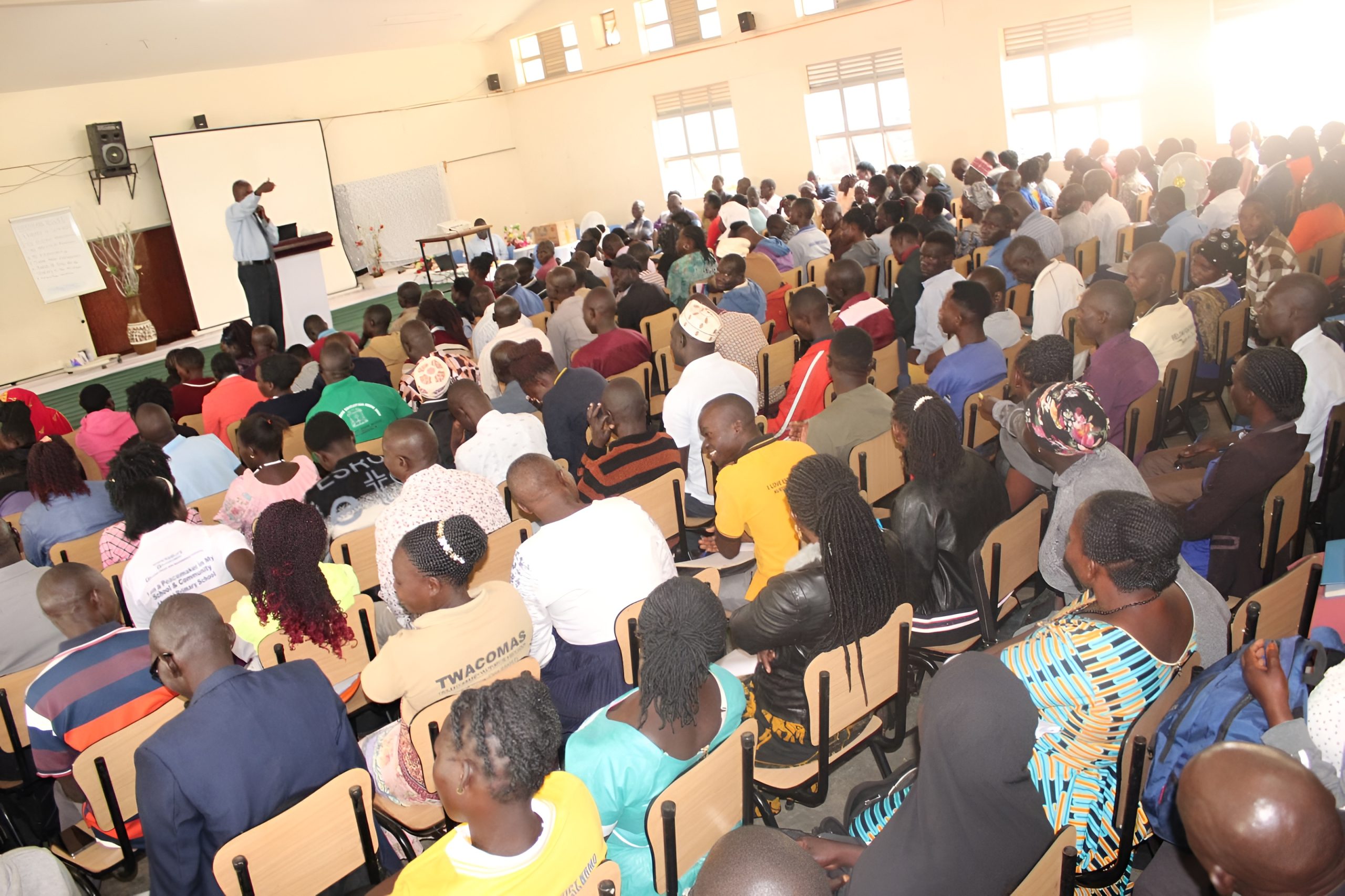
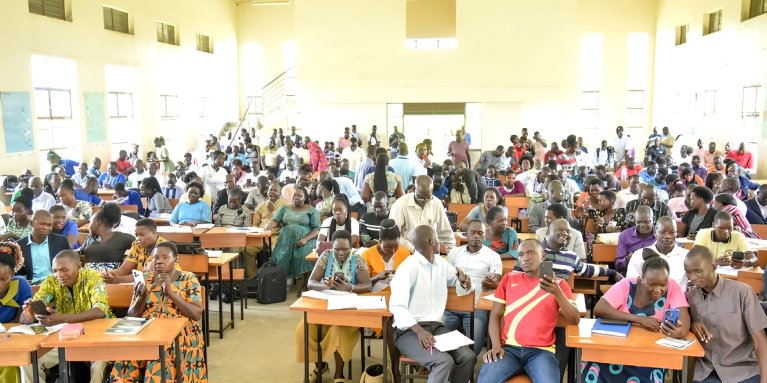
UNITE recorded the largest single-group participation of any institution across the three events, with a total of 97 teaching staff attending. This included 20 participants at the Kampala session, 46 participants in Gulu, the largest delegation from any institution at any of the three venues, and 31 participants in Kabale.
The Institute’s strong representation underscored its commitment to positioning itself at the centre of Uganda’s digital education agenda. It also reflected the close alignment between UNITE’s mandate in teacher education and the LiT Programme’s goal of embedding digital competencies throughout secondary education.
The Leaders in Teaching Uganda Programme is a multi-partner initiative supported by the Mastercard Foundation and implemented in collaboration with the Ministry of Education and Sports. The programme targets 2,091 secondary schools, 10 universities, and five National Teacher Training Institutions, including UNITE. Its overarching aim is to transform secondary education by improving teaching quality, strengthening institutional systems, and equipping young people with the skills needed to transition into dignified and fulfilling employment.
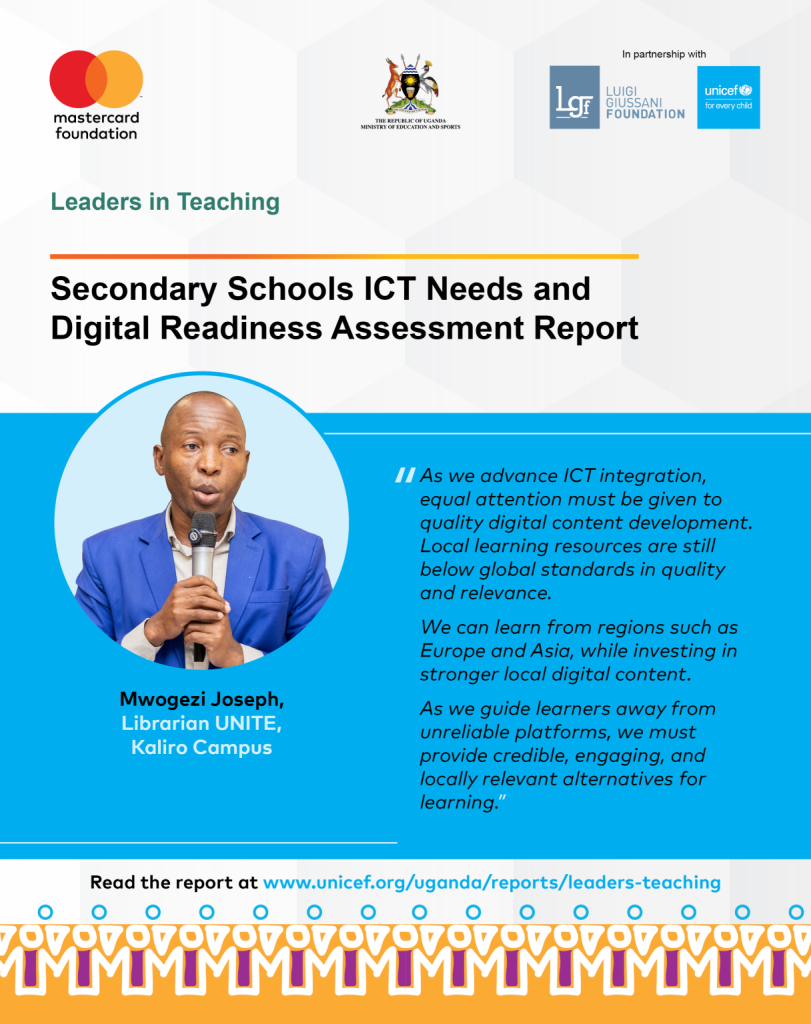
Within the programme, UNICEF serves as the lead partner for ICT integration, supporting the meaningful use of technology in teaching and learning, driving system-level digital transformation, and strengthening digital competencies among teachers
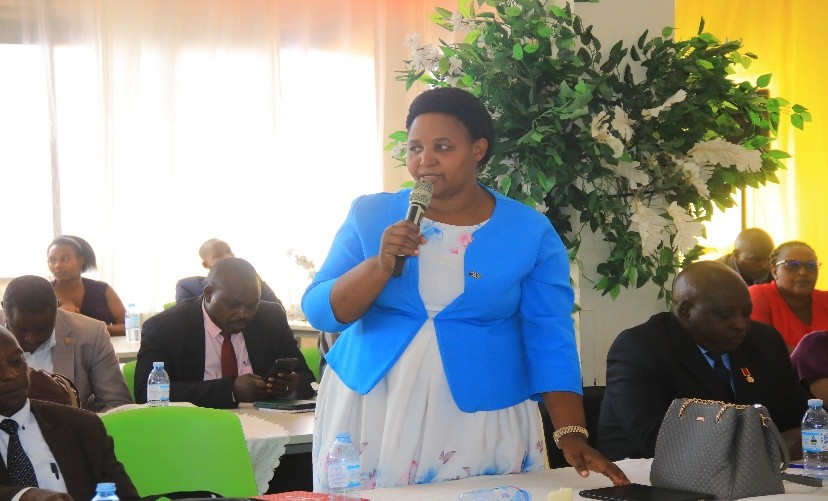
The flagship orientation session took place at Protea Hotel on 28 May 2026 and set the tone for the regional engagements. Opening remarks from MoES representative were followed by a detailed presentation of the national ICT Needs Assessment findings by UNICEF. Participants engaged in a structured question-and-answer session, allowing them to interrogate the findings and explore their implications for planning at district and school levels.
Facilitated group discussions enabled stakeholders including UNITE staff from multiple campuses to contextualize the assessment findings within their regional realities and identify priority areas for action. The day concluded with a presentation on the planned activities and expected outcomes of the LiT ICT component, the unveiling of 100 schools selected as model smart schools under the programme. Subsequent sessions held in Gulu on 2 June and Kabale on 5 June followed the same format, drawing participants from districts across Northern and Western Uganda.
The national ICT Needs Assessment, which formed the evidence base for the stakeholder engagements, provides a comprehensive picture of digital infrastructure, device availability, internet connectivity, teacher digital competency, and institutional support across Uganda’s secondary schools. The findings highlight significant gaps, particularly in rural and peri-urban communities where digital deprivation remains most pronounced.
For UNITE, whose mandate includes both initial teacher preparation and Continuing Professional Development (CPD) delivered across its six campuses in Kabale, Kaliro, Kitikifumba, Mubende, Muni, and Unyama, the assessment offers valuable evidence for aligning both pre-service and in-service teacher education programmes with the realities and needs of Uganda’s schools.
The data is expected to inform investment decisions by the Ministry of Education and Sports, development partners, and district authorities, helping to ensure that resources are directed where they can have the greatest impact on teaching and learning outcomes.
The stakeholder orientations were designed to achieve three key objectives: introducing the ICT component of the LiT Programme and its planned activities; orienting national and sub-national stakeholders on the effective use of ICT in teaching and learning; and disseminating the ICT Needs Assessment findings as an evidence base for future investments in digital education.
Other participants included District and City Education Officers, District ASSHU Coordinators, representatives from the Ministry of Education and Sports, development partners, consortium implementing partners, and members of the media.
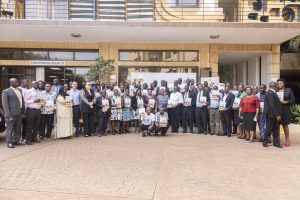
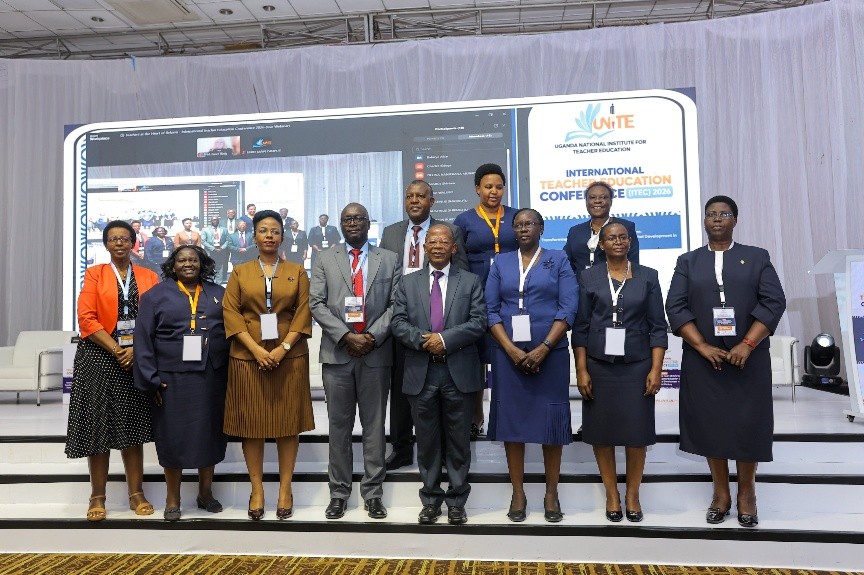
Some of the UNITE teaching staff and national education stakeholders at the ICT Needs Assessment Dissemination and Stakeholder Orientation stakeholder engagement held at Protea Hotel Kampala
UNITE teaching staff formed the largest participant cohort across all three events. The Gulu session, in particular, attracted 46 UNITE staff members from the Northern region, reflecting both the Institute’s strong presence in the area and the region’s significant need for enhanced digital education support.
The orientations are expected to contribute to four key outcomes for Uganda’s digital education agenda. These include increased awareness and understanding of the LiT ICT component among stakeholders; stronger coordination mechanisms between the Ministry, regions, districts, and implementing partners; greater commitment from district and school leaders to support programme implementation and oversight; and the use of ICT Needs Assessment findings to guide evidence-based investments in digital infrastructure.
For UNITE, the engagements also represent an important step in strengthening institutional partnerships and sector-wide collaboration. These relationships will be critical to ensuring that Uganda’s future teachers are not only prepared for digital transformation but are also capable of leading it within their classrooms and communities.
The Uganda National Institute for Teacher Education (UNITE) is a public, university-level, multi-campus institution established by Statutory Instrument No. 53 of 2024. UNITE is mandated to coordinate and provide all levels of teacher education in Uganda, from initial teacher training to postgraduate studies and Continuous Professional Development (CPD), across campuses in Main Campus (Former Shimoni CPT), Kitikifumba, Kira Municipality, Kabale, Kaliro, Mubende, Muni, and Unyama. The Leaders in Teaching (LiT) Uganda Programme is supported by the Mastercard Foundation and implemented in collaboration with the Ministry of Education and Sports and UNICEF.