


Uganda National Institute for Teacher Education (UNITE) Convenes Three-Day Technical Writing Workshop with UNESCO to Develop National Training Manuals on Leadership, Governance, Financial Literacy, and Teacher Wellbeing
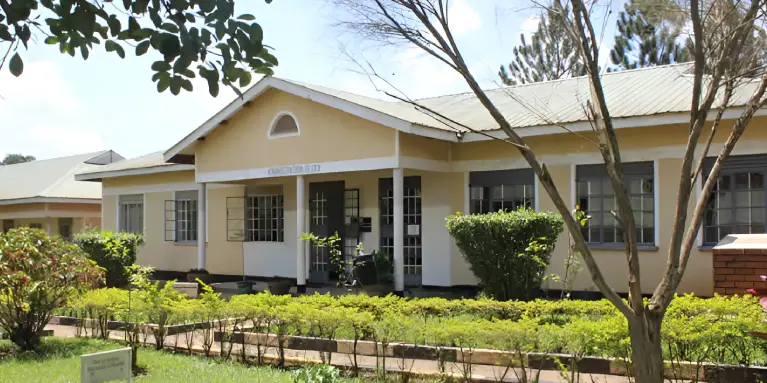
Kampala, 27- 29 May 2026. The Uganda National Institute for Teacher Education (UNITE) hosted a three-day Technical Writing Workshop at its Main Campus at Shimoni, Kira Municipality, bringing together 30 participants drawn from UNITE, UNESCO, the Ministry of Education and Sports (MoES), national education institutions, and practising teachers to co-create a suite of four evidence-based training manuals aimed at transforming the professional development and well-being of Uganda’s teachers and teacher educators. The workshop, convened with support from the UNESCO International Institute for Capacity Building in Africa (UNESCO IICBA) and UNESCO’s Kampala office, marks a significant step in UNITE’s mission to build a motivated, resilient, and high-performing teaching workforce for Uganda.
The workshop responds to a well-documented and urgent need. Uganda has an estimated 600,000 teachers across pre-primary, primary, and secondary education, yet structured support for their professional and personal development has not kept pace with the rapid expansion of the sector. School leaders frequently lack formal training in governance and instructional leadership; many teachers operate under significant financial strain with limited skills in budgeting and income management; and there is no widely institutionalized framework for teacher well-being, despite growing evidence of mental health and burnout concerns within the profession. UNESCO’s global teachers report of 2024 underscores the scale of the challenge, noting that Sub-Saharan Africa requires 15 million additional trained teachers to meet SDG 4 targets, while simultaneously improving the quality of support for those already in classrooms. UNICEF-supported studies further confirm that teacher motivation and retention are strongly influenced by working conditions, financial stability, and access to psychosocial support.
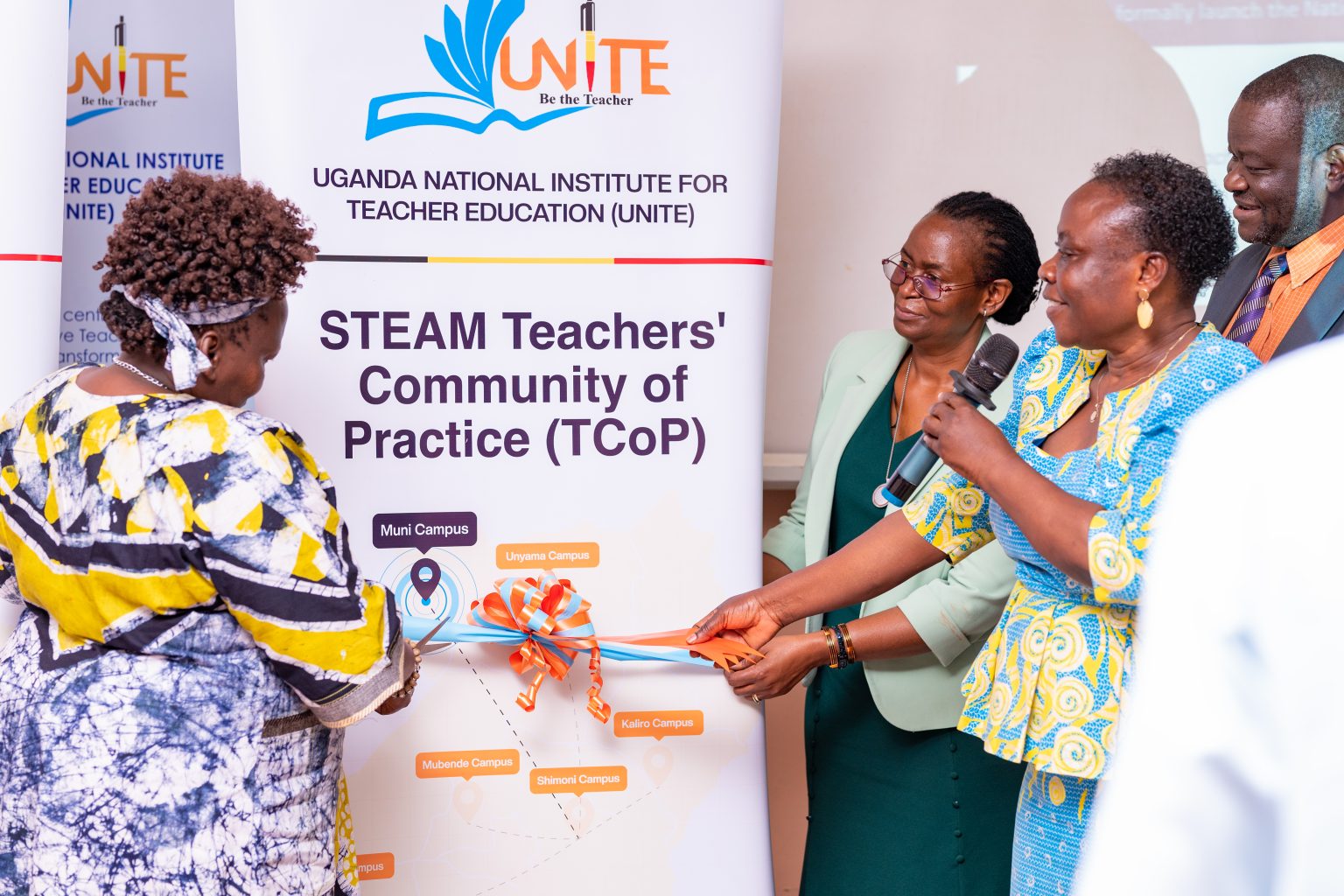
It is against this backdrop that UNITE whose mandate spans initial teacher training, postgraduate education, and continuous professional development (CPD) across six campuses brought together technical experts, policymakers, and frontline educators to address these gaps through the co-creation of practical, context-responsive training materials. Many of UNITE’s own academic staff were recruited from former National Teachers’ Colleges and Primary Teachers’ Colleges and, while experienced in teacher training at diploma and certificate levels, require targeted capacity-building to navigate the higher education environment, its governance structures, and the full scope of UNITE’s institutional mandate. The four manuals to be developed through this workshop directly address that need, while also generating resources for national deployment through Uganda’s education system.
The workshop was structured over three days using a participatory and evidence-based methodology. Day One opened with welcome remarks from UNITE, the Commissioner for Teacher Education and Training Department (TETD), the UNESCO Kampala office, and UNESCO IICBA, followed by a presentation of UNITE’s mandate and functions. Participants then engaged in a structured personal reflection exercise examining their own strengths and development needs across the four thematic areas before moving into facilitated group sessions to begin developing module content on governance, leadership, and financial literacy. Day Two centred on UNESCO IICBA’s data on teacher wellbeing and the impact of school leadership on teacher performance, with participants translating these findings into a module framework on wellbeing and psychosocial support. Day Three integrated feedback, refined the draft manuals, and developed an implementation roadmap for piloting and national roll-out, with the workshop concluding with a shared commitment to embed the finalised materials into UNITE’s CPD framework and broader national teacher development frameworks.
The four training manuals under development cover: education governance and accountability in higher education, including leadership in a multi-campus institution; school leadership and instructional leadership; financial literacy and personal financial management; and teacher well-being and psychosocial support. Each manual is being designed to be practical, context-specific, scalable and applicable for use both within UNITE’s own staff development programmes and through the wider network of Teacher Training Institutions (TTIs), schools, and education leaders with whom UNITE works across Uganda. The manuals will be validated through established technical processes before dissemination and produced in formats that allow for continued institutional use and future updating.
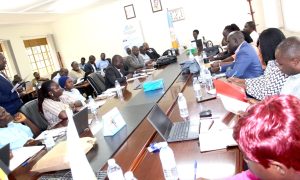
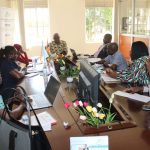
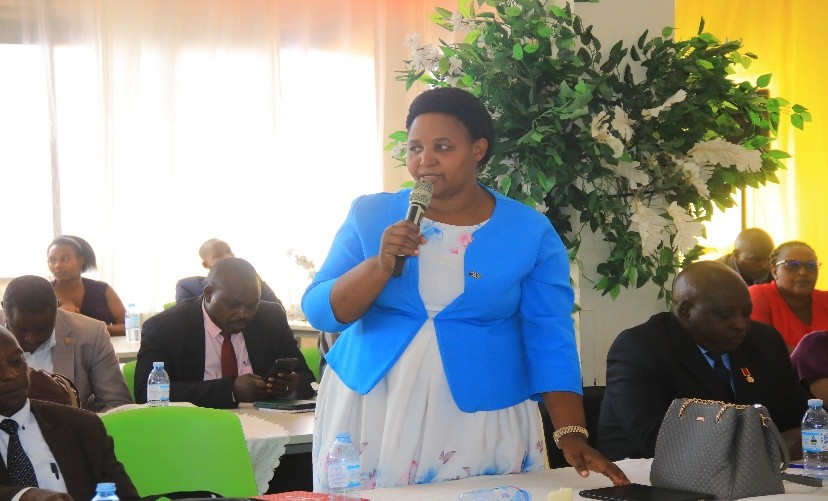
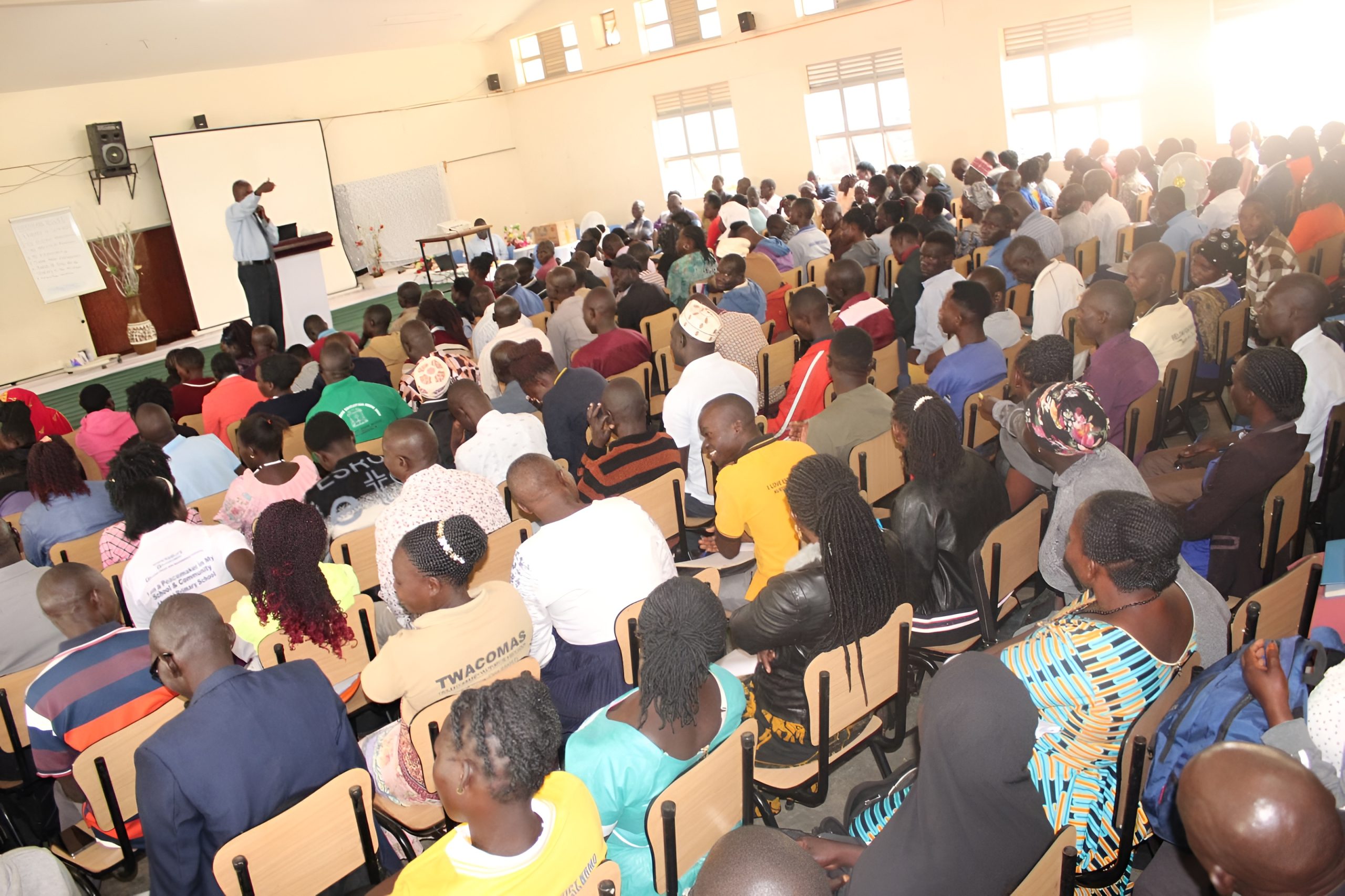
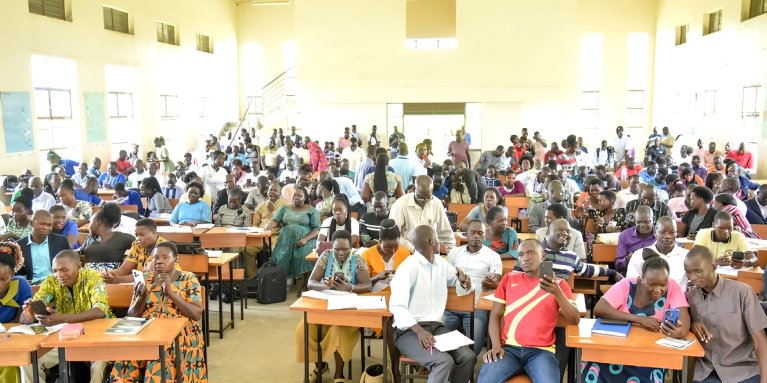
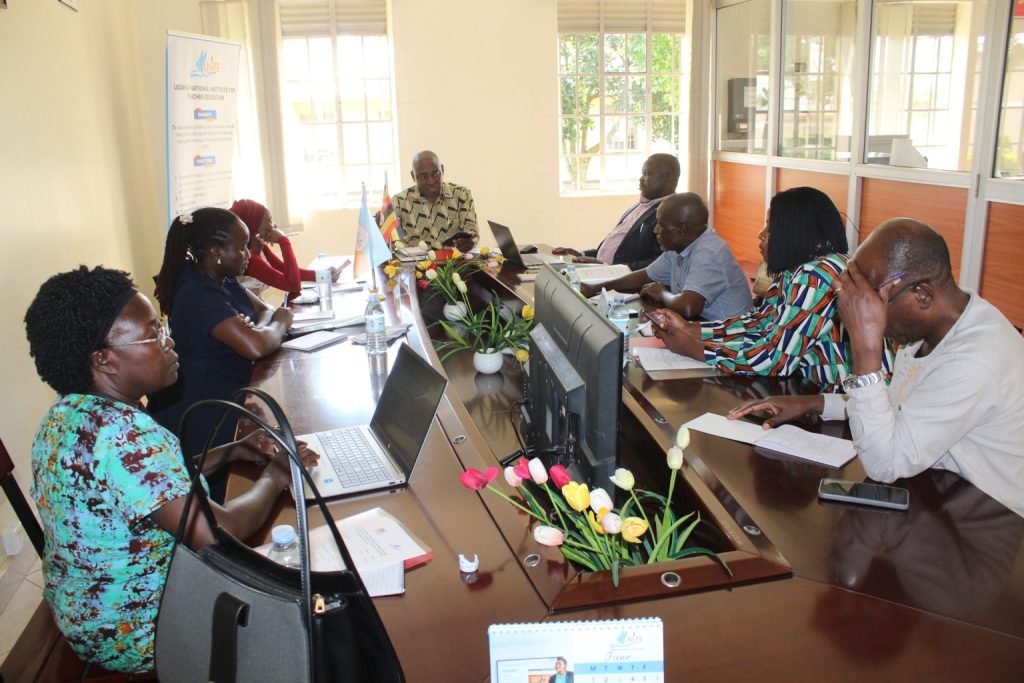
Writing workshop in session
The workshop brought together selected stakeholders from UNITE, UNESCO IICBA, UNESCO Antenna Office, Kampala and additional contributions from the National Council for Higher Education (NCHE), Uganda Education Tribunal (UET), MoES Department of Teacher Education and Training Department (TETD), and Policy and KIX focal point representatives, the Uganda National Teachers’ Union (UNATU), 6 practising teachers from both primary and secondary levels, and 2 expert consultants. The multi-institutional composition reflects the workshop’s ambition to produce materials that are nationally owned, technically credible, and immediately relevant to the realities of Uganda’s classrooms and institutions.
“Investing in teachers is ultimately an investment in the future of Uganda’s education system. This workshop gives practical form to that conviction producing resources that will strengthen UNITE’s own institutional capacity while contributing scalable solutions to one of the most pressing challenges in Uganda’s education sector: ensuring that teachers are not only trained to teach, but supported to lead, to manage, and to thrive” Prof. Betty Akullu Ezati, Vice Chancellor, UNITE
The draft manuals developed at the workshop will undergo expert validation before being finalised, piloted, and progressively integrated into national CPD Framework. With UNITE’s platform spanning six campuses and its partnerships with MoES, Teacher Training Institutions, and schools across the country, the Institute is uniquely positioned to serve as the vehicle for the national roll-out of these resources placing evidence-based, holistic teacher support at the heart of Uganda’s education transformation agenda.
The Uganda National Institute for Teacher Education (UNITE) is a public, university-level, multi-campus institution established by Statutory Instrument No. 53 of 2024, mandated to coordinate and provide all levels of teacher education in Uganda — from initial teacher training to postgraduate studies and Continuous Professional Development (CPD) — across campuses in Kira, Kabale, Kaliro, Mubende, Muni, and Unyama. UNESCO IICBA (International Institute for Capacity Building in Africa) is UNESCO’s specialised institute for teacher education and professional development in Africa, based in Addis Ababa, Ethiopia.